

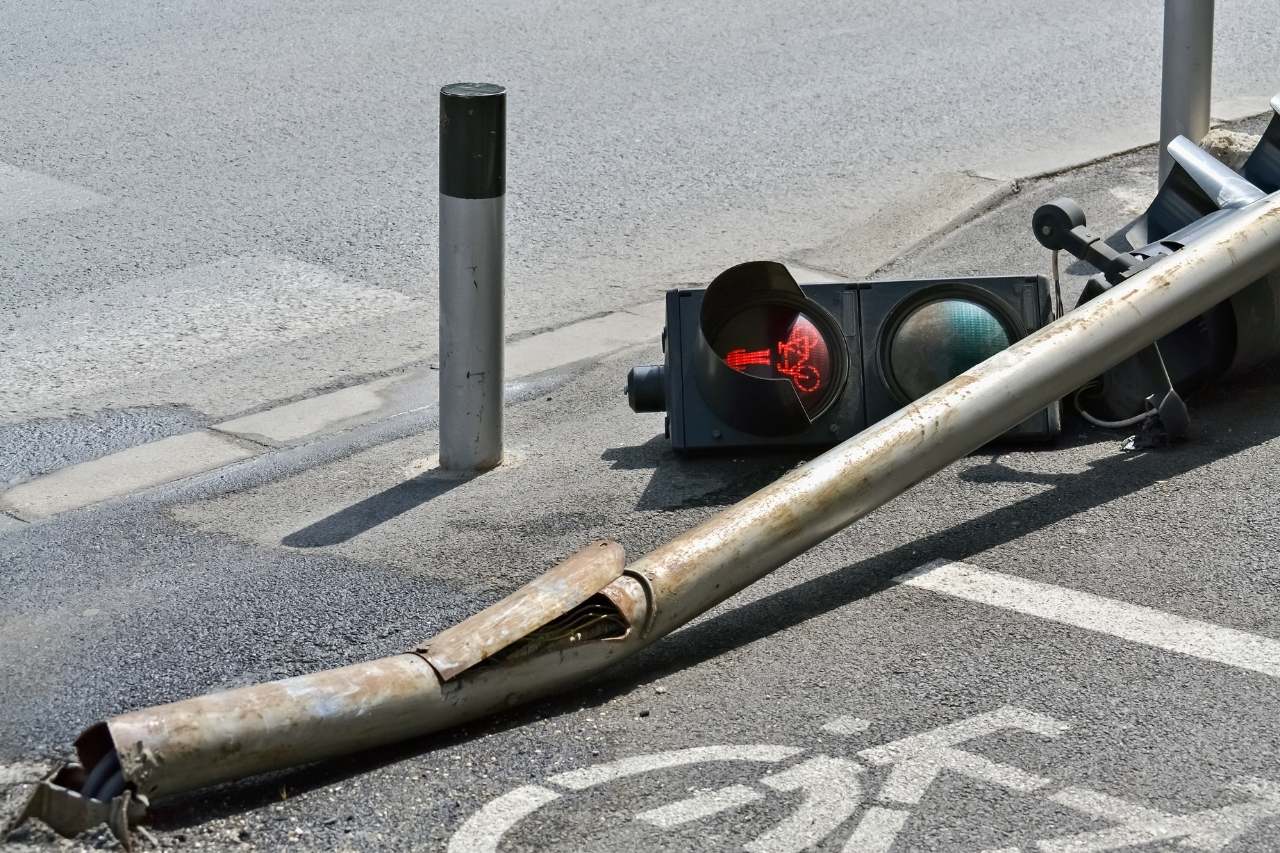
This guide will discuss what should you do if a traffic signal is malfunctioning. You come across a broken traffic signal on your way to your place. Even though this is a pretty typical event, it can induce worry in several individuals.
A traffic signal might cease operating for a variety of reasons. Traffic lights that are not working correctly may be dangerous, and several drivers discover them perplexing. However, there is usually a way out of a predicament. Even if a traffic light is out or flashing a different signal than usual.
It does not indicate that the laws of the road get suspended. Malfunctioning indicators should always get treated with caution. They’re simpler to moderate once you understand how to handle and deal with them.
Read about your responsibilities when the traffic signal is not functioning….
Traffic lighting and stop signals are essential to traffic controlling equipment that manage traffic flow and keep our roadways safer. They also assist us in improved planning when driving and eliminate the necessity for any interaction among drivers on the route.
As long as everybody adopts existing rules, conventions, and practices when driving, everybody understands how to behave and what others would be doing, regardless of when they’re on the roadway.
It is not unusual, though, to encounter a broken traffic signal. Electrical outages, storms, wrecks, and other occurrences can cause lighting to shut out at a junction or along a stretch of road. Let’s look at what should you do if a traffic signal is malfunctioning
What Should You Do If A Traffic Signal Is Malfunctioning?
When traffic lights are out, the practice is to hit the brakes before approaching the crossing. And, if nobody, then inside the junction, and then come the intersection with precaution, following the traffic regulations of the Recognizing Unregulated Crossings.
Rules
You might not have taken driver’s training in a long time. Still, there are particular protocols to execute as What Should You Do If A Traffic Signal Is Malfunctioning
Flashing Signal
Drivers may be confused by the flashing light, particularly at a crowded crossroads. Take a moment to examine your surroundings. stay alert about possible threats. Check for any authorized workers who could be managing traffic as well. If this expert is there, obey their instructions while watching other cars and walkers.
- Any yellow lighting indicates that you must slow down and drive cautiously. If you come to a junction with flickering yellow lighting, keep an eye out for other cars and respect the right-of-way laws. If there is a lot of activity, it is preferable to hit the brakes before proceeding.
- Red lighting always indicates a halt. If the signal is blinking, hit the brakes, assess traffic from all sides, and continue carefully when it becomes your turn, adhering to right-of-way standards.
More extensive junctions may become dangerous and difficult whenever traffic lighting goes down. Vehicles may use several through tracks and turning tracks. The best method to approach this sort of issue is with utmost care.
Keep the right-of-way guidelines in mind. Occasionally traffic may form a close resemblance to a signal. If you give heed, you’ll understand whenever it’s your moment to continue ahead or turn.
How Long Does It Take To Drive Route 66? Read Here.
Right of Way
Several individuals, especially new and novice drivers, are perplexed about when it is their time to drive. Fortunately, right-of-way regulations are based on common judgment and care and may get taught rapidly.
The typical guideline for a four-way stand is that the automobile that arrives initially gets the right-of-way. Unless you’re the first or sole automobile at the junction, you might go after halting. When more than one automobile approaches simultaneously, the individual on the right has the right to drive.
Keep an eye out for automobiles approaching in the other direction if one makes a left shift next to you. Irrespective of whether you possess the right-of-way, continue with utmost caution.
Other motorists might be confused, and they could be unfamiliar with the principles of right-of-way. While continuing into the junction, ensure that all other cars get halted. It would be far preferable to wait slightly more for your turning than to be involved in a T-bone collision.
Signal Blackout
When you reach a traffic signal, it may get darkened entirely out or seem to be. In this situation, consider the junction a four-way stop, as previously explained. Be cautious if the other signals you can’t see don’t get darkened out.
Other cars approaching from opposite routes possess the right-of-way. When going into the junction, ensure that all other vehicles have reached a complete halt.
Malfunctioning Accidents
Accidents due to faulty or damaged traffic lights occur despite the good intentions of several drivers. Crashes can happen when individuals do not slow down or halt whenever they must.
In other instances, it is due to a vehicle failing to yield to the individual on their right. Suppose the carelessness of another vehicle induced the collision at a junction. In that scenario, the sufferer may be able to file a personal injury case.
Accidents could also occur when traffic lights offer contradictory indications. Each motorist may have followed their turn signal appropriately; however, they collide at the junction. In such circumstances, the accident sufferers might bring a lawsuit against the municipal government accountable for the traffic signals.
How Far Can You Drive On A Flat Tire? Read Here.
Reporting When The Traffic Signal Malfunctions
When a traffic light malfunctions, a driver could and must notify it. Frequently law authorities or servicing staff are unaware of an issue. Reporting the problem will help authority to fix it making the intersection secure and more straightforward for use.
Bottom Line
Traffic signal malfunctions may be frustrating and annoying. Contact to report anything that requires to be evaluated or fixed. Most crucial, give heed and drive responsibly at all times. You can help make the roads safer by concentrating on your navigation and learning traffic regulations.

