

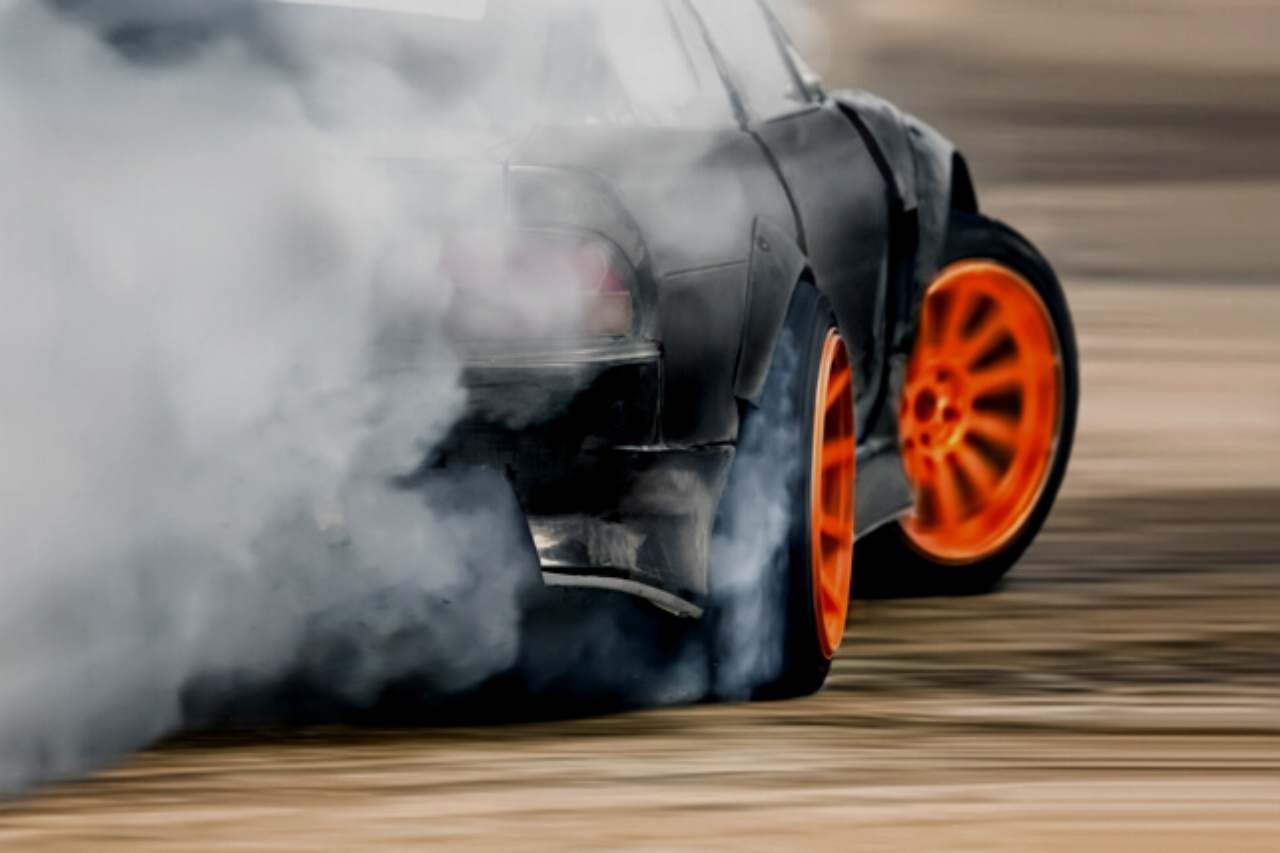
Where there is smoke, they say, there is fire. You could assume it’s nothing dangerous, but is it when white smoke shoots from the exhaust pipe unexpectedly when you turn on your automobile and then quickly disappears? What does the White Smokes On Startup Then Disappear mean?
If you see any smoke coming from the exhaust while starting your car, including white smoke, it indicates that something is amiss and that you should pay attention to it. We shall define white smoke in this essay and discuss solutions. We’ll also address any questions you might have concerning this subject.
What Does White Smoke Mean on a Car?
In essence, it is the result of steam becoming trapped inside your automobile’s exhaust system. However, depending on how thick or thin the smoke truly is, you may decide if it’s a significant concern or not. For example, you shouldn’t be concerned if it is vapor-thin and goes away quickly after the car starts.
The leading cause is that when a car starts, much of the white smoke it produces quickly dissipates as the exhaust and engine warm up to their average operating temperatures. It’s also important to remember that oil reaching the cylinders and igniting might also cause the white smoke to emanate a faint blue hue.
In contrast hand, you should be alarmed if the smoke is heavy and persistent. The leading cause of the thick white smoke is generally a coolant system issue, frequently resulting in severe problems like a blown gasket, fractured engine block, engine heating, or even a broken cylinder head.
When the motor and exhaust attain their average operating temperature, the smoke that appears during startup vanishes, it’s also essential to keep in mind that oil reaching the cylinders and igniting might cause the white smoke to emanate a faint blue tinge additionally.
White Smokes On Startup Then Disappear – Why?
Here are some of the reasons why there White Smokes On Startup Then Disappear afterwards.
-
Condensation
Condensed water vaporizing in the exhaust pipe is the most frequent cause of White Smokes On Startup Then Disappear afterwards. Condensation from the last time the automobile gets driven will build up after sitting for a while and hasn’t been driven for a day or two.
When you start the car, the water will be at the bottom of the exhaust and evaporate as the exhaust becomes hot. When a cold start produces light white smoke that lasts for a short time after the start, this is usually condensation and shouldn’t cause concern.
-
Leaking Intake Manifold Gasket
We are now approaching a little more significant but still manageable issue. The component of your automobile that divides the air entering the cylinders is called the intake manifold.
Since coolant fluid gets frequently used to cool intake manifolds, there is a gasket between the inlet manifold and the cylinder. This gasket occasionally degrades and begins to leak. The exhaust gases may smell delicious smoke if your intake manifold gasket fails.
-
Bad EGR Cooler
You’re probably dealing with condensed coolant if the exhaust smoke has a pleasant odor. A fracture within the EGR cooler of a contemporary car is another frequent cause of this.
Since there are no external symptoms to search for, a correct diagnosis can be somewhat challenging. However, the EGR cooler must get changed if it is damaged. To fully analyze your EGR cooler, if you suspect it’s broken, you might need assistance from a professional.
The best method is to inspect your spark plugs and cylinders. The car’s coolant combustion will clean the cylinders. Therefore, if none of the cylinders has to get cleaned, but the car is still burning coolant, it must come from somewhere after the combustion chambers, such as the EGR cooler.
Why Does My Car Smell Like Gas? We Have Found The Reason
-
Blown Head Gasket
The head gasket seals the space between the cylinder head and the engine block. This gasket divides coolant, oil, and combustion between these two components. The coolant may leak into combustion chambers whenever the head gasket is broken or fractured, or vice versa.
Depending on the amount of the leak, this may cause the motor to burn coolant and result in significant white smoke coming from your exhaust. Unfortunately, repairs are sometimes exceedingly expensive because you must take apart several components to replace a blown head gasket.
-
Cracked Cylinder Head or Block
A fractured cylinder head or engine can also unfunnily produce white smoke from your exhaust pipe. There are several passages on the engine block and cylinder head where coolant circulates to keep the engine cool.
The cylinder block or cylinder may shatter if you’re unfortunate, resulting in coolant leaking into the combustion process or exhaust. Though highly uncommon, it frequently occurs following an engine overheating or another similar event.
However, it is possible and occurs more frequently on some engine types than others. Replacing the entire head or block is often required to address these issues, requiring total motor disassembly.
How To Stop White Smoke on a Car?
Various preventative actions can decrease the amount of white smoke flowing from the exhaust. To find the answer to your query about how to avoid white smoke from the exhaust, look at the following preventative measures:
- At the very least once every two months, monitor the coolant level in the automobile. A steady drop in level may signify seepage or coolant damage.
- Examine the manifold gasket for any cracks, corrosion, or other damage.
- Every month, clean your fuel injector. For optimum performance, you may also replace it every six months.
- Replace the fuel pump every 4,000 kilometres if your vehicle has a diesel engine.
Final Thought
The severity of the situation relies entirely on the type and color of smoke emitted. Condensation that has accumulated in the exhaust is what causes the white smoke to appear.
Although the smoke won’t immediately harm you, it’s essential to understand what caused it and why it could produce white smoke from the exhaust when the engine starts. Smoking is not confined to starting up; it may also occur when the car is moving, at rest, or while idling.
If you are interested:

